Tag: WDDN?

What’s Dom Drinking Now? Oktoberfest!

Fall seasonals are my favorite when it comes to beer. As you may have read in my last post, that’s not because of pumpkin beer. I know this style is unwaveringly popular, but I have issues with any pumpkin beers that are released before mid-September. Rather than start this blog with a rant though, I’ll take a more positive view and talk about what I do like: Oktoberfest.

Image result for munich oktoberfest
This is my dream vacation right here.

Oktoberfest is the king when it comes to seasonal beers, and if you ask me (I’ll assume you are because you’re reading this post), it is a great barometer for whether or not you like real, traditional beer and not just the hops (not that there is anything wrong with the latter). True German Marzen/Oktoberfest should have everything classic beer lovers crave: a perfect harmony of smooth and toasty caramel malt, a crisp, snappy hop bite, and a modest alcohol level that allows you to fill up a stein and smash it against a friends again and again.
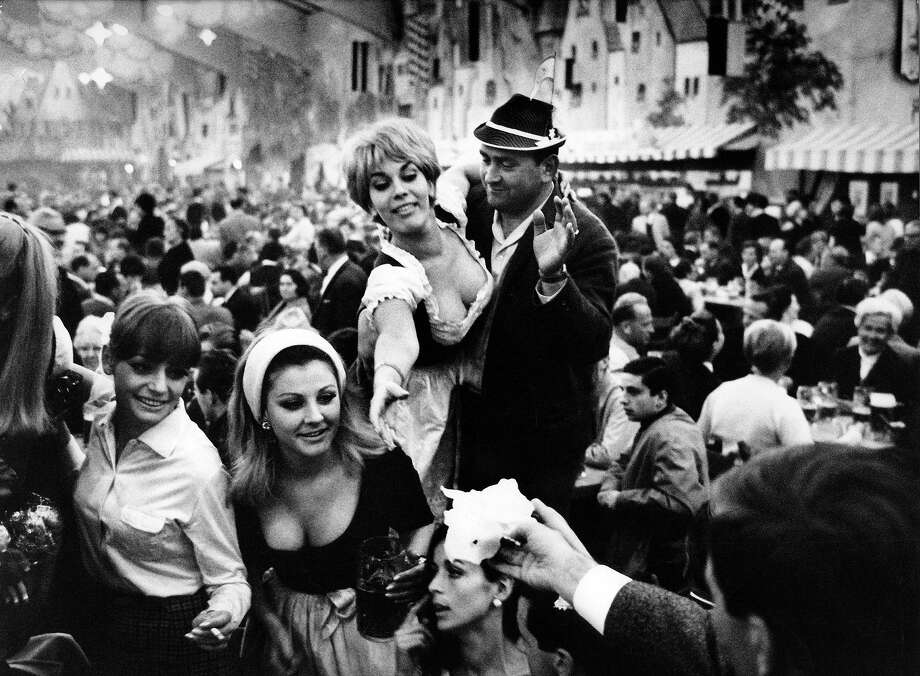
Image result for 1800s oktoberfest
It doesn’t appear like much has changed since the days of black of white.

Although many people have surely had Oktoberfest before, one thing I commonly encountered working at a beer shop was confusion about the labeling of different Oktoberfests. Traditionally, this style of beer was brewed in March (Marzen), and then stored over the summer. This was back before refrigeration, when brewing in hotter months could lead to spoilage and wasted time. Due to the old-fashioned kilning techniques, beer used to be much darker. Over time, the fest-style gradually lightened, from dunkels (early to mid 1800s), to amber and copper-colored Marzens (invented by Spaten in 1841), to the golden-colored festbiers introduced by Paulaner in the early 1970s.

Image result for munich oktoberfest breweries
These are the 6 official beers of Munich Oktoberfest.

So which ones am I drinking?

The short answer: anything German. There are 6 breweries that serve their beer at the Oktoberfest in Munich: Hacker-Pschorr, Spaten, Paulaner, Lowenbrau, Augustiner and Hofbrau. If you want to know what this style should truly taste like, any of them will do. I also like Warsteiner (a touch on the sweet side) Weihenstephaner, and Andechs (draft only) for other German offerings.

Image result for ayinger oktoberfest marzen

However, my personal favorite isn’t even on the list, and that’s Ayinger Oktober Fest-Marzen, which is probably my favorite beer in the world. It’s the perfect balance of everything I want in a beer. Flavorful, but crushable at the same time.
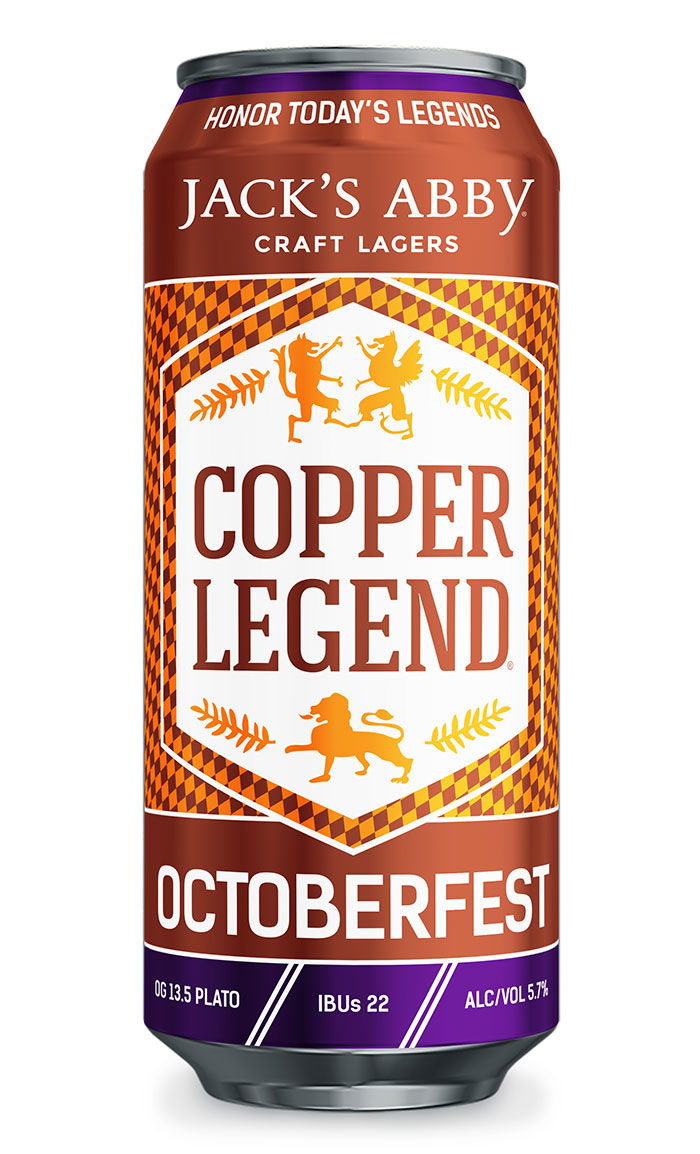
Image result for jack's abby copper legend
IMO, Copper Legend is the best of the style from Massachusetts.
Image result for ok2berfest
Two Roads (Connecticut) Ok2berfest makes a great, albeit lighter style, Marzen lager.

American Oktoberfest beers tend to be either on the sweeter side or with a little too much hop influence. There’s plenty of good ones, but like most things American they tend to be a little much. However, a few local New England brands I like are Jacks Abby Copper Legend, Zero Gravity and Two Roads.

Image result for sierra nevada oktoberfest 2019
This year, Sierra Nevada got together with Bitburger for their fall seasonal.
Image result for left hand oktoberfest
Left Hand Brewing out of Colorado makes a solid homage to traditional Marzens.

For outside New England, look to Sierra Nevada, who puts out a different Oktoberfest every year in which they collaborate with a German brewery. Left Hand, Victory and Firestone Walker also do a good job. I have yet to find anything truly impressive for the style down here in DC, which is part of the reason why I’ve waited until a little later in the fest-season to write this blog.
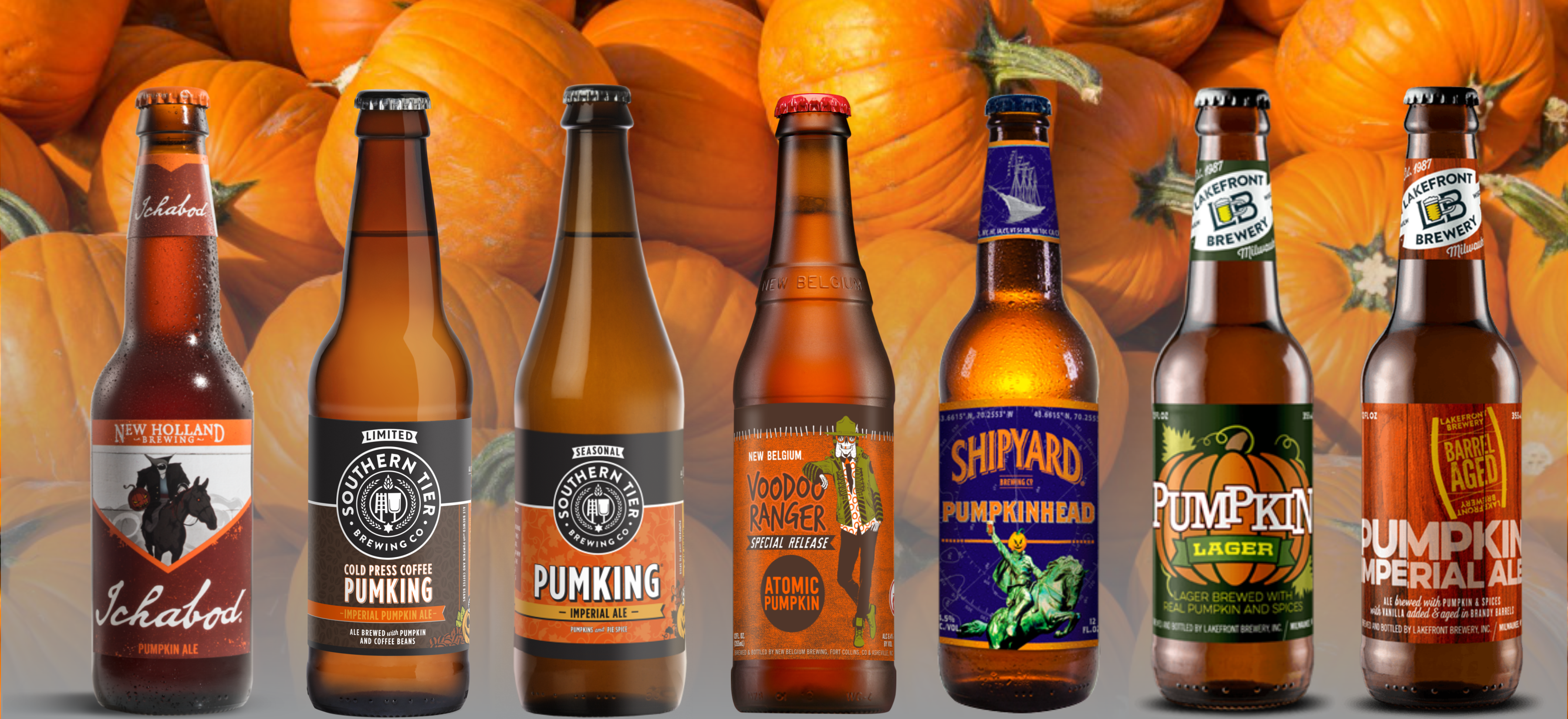
Image result for pumpkin beer

**A final word on pumpkin beer:

Pumpkins are harvested in September and October. Generally speaking, an average batch of beer from a microbrewery takes 4-8 weeks to brew from start to finish. That would mean even if you used pumpkins picked a couple weeks early, the earliest you could get a beer brewed with fresh pumpkins from this years harvest would be mid-September.

So how does a company like Shipyard have theirs ready to go by the end of July? They cut corners. They are using one or a combination of the following not-pumpkins: butternut squash, yams, artificial pumpkin flavoring, or a mixture of spices (nutmeg, vanilla, clove, etc) to mimic pumpkin pie. This irritates me. At the end of the day, I don’t want to hate on people for drinking what they like, but as someone who worked retail, I find label transparency is important when trying to sell products.
What’s Dom Drinking Now?

Another drink, please! Summer is in full swing, and so is my sunburnt beer belly. Not to worry though, I’ve still been finding plenty of alcohol to stimulate my tastebuds. In between rounds of 3 Stars beers and assorted local sours, I’ve been hooked on one particular drink lately:

Image result for blood orange daiquiri
Mine don’t really look like this…

BLOOD ORANGE DAIQUIRI

First things first. Hyper-masculinity says that real men shouldn’t drink daiquiris because they’re a “gay” drink or something. If you’ve read my blogs on liquor store etiquette, you know I don’t believe in stereotyping drinks. Men can drink fruity cocktails, women can drink whiskey neat, and there is no such thing as a “gay” drink. Daiquiris are delicious, and you’re a damn liar if you say otherwise.

That having been said, this is not what I’m talking about:

Image result for strawberry daiquiri
Frozen strawberry daiquiris are not what I’m talking about here.

Let’s backtrack a bit. In order to balance a good cocktail, you need to understand flavors and how they interact with each other. You’re four main flavors in basic cocktail recipes are alcohol, sweet, bitter and sour. Of course there are others, but for the sake of simplicity we’ll stick with those for now. Some cocktails, like a Paper Plane, combine all four of these, while others, like a Manhattan, stick to just three (liquor, sweet, bitter). This balancing act is the key to mixology, not that I claim to be a master or anything.

A traditional daiquiri is a pretty basic drink for any bartender. Proportions are 3-2-1 white rum-lime juice-simple syrup. The idea is to combine rum with one sweet ingredient and one sour ingredient. These three easy ingredients get mixed together and poured over ice.

Image result for daiquiri time out meme
Daiquiris!

THE RECIPE

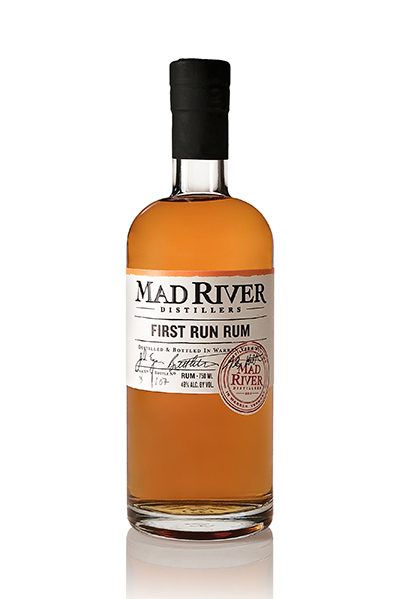
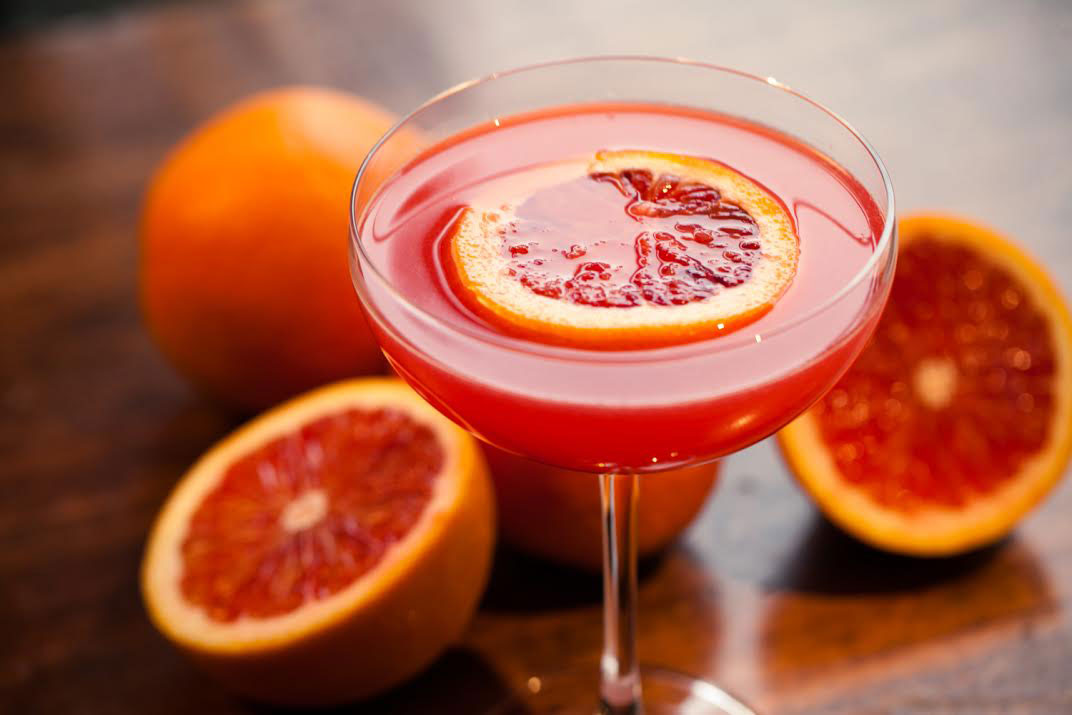
Knowing what we know about the flavor components, we can now add and subtract ingredients to make a drink that really hits home. For me, that results in a blood orange daiquiri. I’ve been using Mad River First Run Rum, blood orange soda, unsweetened lime juice, and cinnamon. I skip the simple syrup because the soda has enough sugar for me, but I do use more soda in my recipe.

Combine 1 part rum, 1 part soda and 1/2 part lime juice in a shaker. Add two dashes of cinnamon. Shake. Serve over ice. Garnish with a blood orange wedge.

Image result for mad river first run rum
Mad River Distilling, out of Vermont, makes some really great stuff.

Typical daiquiris use white rum, but I’ve elected to use an aged rum for two reasons: one, I think the light vanilla and barrel flavors work well with blood orange, and two, I didn’t have any white rum. When it comes to choosing a rum for this drink, it’s important to remember ABBC, Anything But Bacardi and Captain. These products belong in the garbage. You are a classy, sophisticated drinker and deserve better. For inexpensive white rums from New England, I like examples from Short Path Distilling and Privateer. For aged versions, I like Mad River (clearly), Berkshire Mountain Distilling, or Plantation (not from NE, but cheap and delicious). The great thing about rum is great bottles rarely go above $50, and you can often find amazing values in the $25-$30 range.

Let’s see what you think! Enjoy!

What’s Dom Drinking Now?

My first two editions of WDDN were both cocktails. As it happens, this is a change a pace for me as I typically prefer to drink craft beer. I am always on the lookout for something new and exciting, and try as many different brews as I can get my hands on. Luckily for me, I was able to get a job doing a variety of things for 3 Stars Brewing. So, it should come as no surprise that I’ve been drinking a lot 3 Stars beer!

3 STARS BREWING

Since 2012, 3 Stars has been making super-drinkable and excitingly unique beers in the northern part of DC. Unfortunately, the brewery is still relatively small and distribution limited, with only DC, Virginia and Maryland receiving regular shipments. Boston and Delaware also receive monthly shipments, while New York City has seen a few offerings as well.

What should you be looking to try? Honestly, I like all the beers we make. I’m not just saying that, either. Before I started working for 3 Stars, I thought the few beers I had tried from them were solid. Nothing special, but still well-made. Now that I’ve had the chance to try them at their freshest as well as had a wider variety of the lineup, I’ve really started to dig them.

Related image
I’m hoping one of my ideas for a pilot batch makes it into the taproom this summer. I’ve been pitching a sour beer modeled after the Palomas I’m so in love with, so we’ll see how that turns out.

We’re not talking about over-the-top IPA’s like Trillium or Treehouse. This isn’t that kind of brewery. They can definitely make high quality juice bombs that seem to be all the rage these days, but those beers are relatively boring to make. Come up with a decent malt bill, then add as many hops as you possibly can. From there, just change the hops. This provides the illusion of innovation when really you’re only changing one ingredient. At 3 Stars, the brewers like to experiment with more than that.

As for the beers, here are the ones you can find in Mass:

  1. Peppercorn Saison:

    This easy-drinking Belgian style ale is brewed with 3 different types of peppercorns for a light spice on the finish. It doesn’t have the bubblegum yeasty thing that some Belgian styles can have, so for me it’s a porch pounder despite being 6.5%. PS is the beer that first put 3 Stars on the map, as it was originally a home-brew recipe before the owners were pushed to bottle it and sell it by their friends.
  2. Diamonds are Forever:

    Although the 16oz option is only available at Nationals Park, you can find the 12oz beers more readily. For the NEIPA fans, this is the beer for you. A sessionable IPA with a ton of juicy citrus flavors and a touch of bitter resin, this is as good if not better than any session IPA I had while running a beer department up north. This is the newest addition to the core lineup, and in my opinion the biggest crowd-pleaser.

  3. Southern Belle:

    This is another one of the beers they made when first launching almost 7 years ago. Southern Belle is an imperial brown ale brewed with roasted pecans. Soft, smooth and nutty, this is my preferred beer pairing for a burger. I have noticed a slight variation of flavor from batch to batch, but this is a killer beer for cooler temperatures and fans of darker styles.

  4. Ghost IPA:

    This is my least favorite of the core lineup, but that’s not to say I don’t like it. Like almost all of our beers, this one is brewed with a large percentage of white wheat malt, which is why it was originally labeled as a White IPA. However, the only citrus you pick up is a modest dose that comes from hops, unlike what you’d expect out of a traditional white ale. The bitter/resiny quality is a little much for me, but I’ve found most people around the brewery will go to Ghost for their “on-the-clock” beer.
Related image
This new event space is huge. It should be finished by the end of the summer, so I’ll at least be able to take advantage of that.

I really love how 3 Stars likes to push the envelope and come up with as many new and strange styles as they can think of. We recently bought out a huge space connected to our current brewery, so when all of the renovations are said and done we’ll have two to three times as much space. This includes a new 470-person event space, an enlarged Funkerdome for sours, triple the size for cold storage, and room for more brewing tanks. Unfortunately, I will be gone by the time it’s all done, but I’m excited to see where the company goes!

What’s Dom Drinking Now?

Fresh out of Memorial Day Weekend, you’re favorite booze hound is bringing you a new recurring segment about what’s in my cup. From beer to cocktails, straight liquor to the occasional wine, I drink it all. With summer officially underway, I can’t think of a better time to start this up.

So, what am I drinking? This guy:

Image result for paloma cocktail
An old standby in the cocktail world, I’ve found many people don’t know what this is.

THE PALOMA

A classic for many bartenders, I’ve found not many people I hang out with are familiar with this cocktail. It has all the refreshment and summery vibes of a margarita but with less sugar and the addition of grapefruit. I can crush a bunch of these things in the summer heat, and you will too once you try this out.

THE RECIPE

You’ll need blanco tequila, grapefruit soda and fresh or unsweetened lime juice at the minimum for this cocktail. Professionals sometimes use fresh grapefruit juice and club soda to provide the bubbles. Personally, I don’t like club soda and find that grapefruit San Pellegrino or other name brand soda’s work just as well. For an added level of complexity, sub in mezcal for tequila to provide some smokiness on the finish.

Stir together 2 parts tequila or mezcal, 2 parts grapefruit soda, and 1 part lime juice. If you prefer your drinks a little sweeter, stir in a teaspoon of sugar until it dissolves. Pour over ice. Serve in a highball glass, rimming the glass with salt if you so choose. Garnish with a lime or grapefruit wedge.

Image result for riazul blanco

Right now, I’m drinking my Paloma with Riazul Plata Tequila, Organics Italian Grapefruit Soda, and Realime juice. That’s it. Riazul is one of my favorite tequilas, but does tend to run in the $40-$45 range. You by no means need to spend that much on a tequila in order to make a tasty Paloma. I find Espolon works great in cocktails and is half the price.

Related image
Del Maguey products range from $35-40 (Vida and Crema) all the way up to $200 or more (Pechuga).
Image result for fidencio mezcal
Fidencio products range from $35 (Clasico) to $150 (Tobala).

For those not familiar with Mezcal, it’s like the Scotch of the agave world. Like tequila, it is distilled from any type of agave, not specifically blue agave like tequila has to be. The agave’s piña, or heart, is roasted to give it a distinct smokiness, which works great in many cocktails that also use tequila. For intro brands, I recommend the Del Maguey and Fidencio lines, which deliver high quality products without being overly expensive. In particular, I’d try Del Maguey Vida and Fidencio Clasico.

I hope you enjoy this cocktail as much as I do! Stay tuned to find out what I’ll be drinking next!