Tag: whats dom drinking now?

What’s Dom Drinking Now? Quarantine Edition

It’s been a while since I wrote one of these. The main reason is that, as previously noted in Joey’s quarantine blog, I moved to Israel. If you had a balcony in a city bordering the Mediterranean, you’d be writing less too. Now, you may be thinking that because I haven’t been writing WDDN articles, I haven’t been drinking. Is this true?

no way GIF

Unfortunately, the beer scene here is not good. As a matter of fact, it’s bad. Growing, but still bad. Most Israeli brewers seemingly have yet to discover American hops, and almost every Israeli beer I’ve had is sweet to the point of being unbalanced. The best beers here are German pilsners and wheat beers, which get boring quick when you’re used to American craft beer. This isn’t a complaint, just an observation.

So what am I drinking?

Drinking Vodka GIFs | Tenor

With beer now an afterthought, I’ve since turned to vodka. And that, folks, is a sentence I never thought I’d write. It’s super easy to mix, can be added to pretty much anything, is low in calories, and is cheaper than almost any other liquor out there. If you are thinking that I wrote that sentence to somehow justify drinking an alcohol I’ve always looked down upon, then you are correct.

To further that justification, I’ve taken to infusing vodkas with all sorts of different flavors. I usually do my infusions in 500mL batches just because the biggest size they sell here are liter bottles and I like to try multiple flavors at a time.

When infusing, you generally want to wait 2-3 days before drinking, although you can taste along the way to check how the flavor is developing. I would also recommend shaking the bottles a few times a day so the ingredients don’t settle at the bottom and concentrate the flavor too much. Here are some flavors and cocktails I’ve found tasty so far:

Cucumber

What to add: Cut and peel half a cucumber and add to the vodka. Leaving on the peel isn’t the end of the world, but I wouldn’t recommend it because it can give the vodka a pickly flavor.

Recipe: I stole this recipe from a sushi restaurant we used to frequent in Arlington. Stir together 1 part cucumber vodka, 1/2 part lime juice, 3 parts Cava (sparkling wine). Sprinkle cracked black pepper over the top and garnish with a cucumber slice.

Blood Orange-Pomelo

What to add: 1/2 teaspoon of each fruit zest.

Recipe: This one is good neat, but also works well in a Bloody Mary or Screwdriver.

Ginger-Pomegranate

What to add: 1 teaspoon of ginger zest and add 1-2 dozen slightly crushed pomegranate arils. You want the juice from the arils to get into the vodka without making a mess. You can also substitute a lot of other red fruits instead of the pomegranate.

Recipe: Perfect for a Moscow Mule because of the ginger.

Orange-Honey-Cinnamon

What to add: 1 teaspoon of orange test, 1 teaspoon of honey, 1/2 teaspoon of cinnamon. If you feel like you want more cinnamon flavor after the first day, you can add more. Just be cautious because there is a fine line between subtly and overdoing it.

Recipe: This one is by far my favorite and is very easy to sip on it’s own. The orange flavor hits you right up front, the sweetness from the honey masks the alcohol burn, and the cinnamon on the finish ties everything together.

Leonardo Di Caprio Cheers GIF - LeonardoDiCaprio Cheers GreatGatsby GIFs
Time to drink up!

The best thing about vodka infusions is you can do them with pretty much anything you have around the house. Just get creative and remember that less is more. Cheers!

What’s Dom Drinking Now? Oktoberfest!

Fall seasonals are my favorite when it comes to beer. As you may have read in my last post, that’s not because of pumpkin beer. I know this style is unwaveringly popular, but I have issues with any pumpkin beers that are released before mid-September. Rather than start this blog with a rant though, I’ll take a more positive view and talk about what I do like: Oktoberfest.

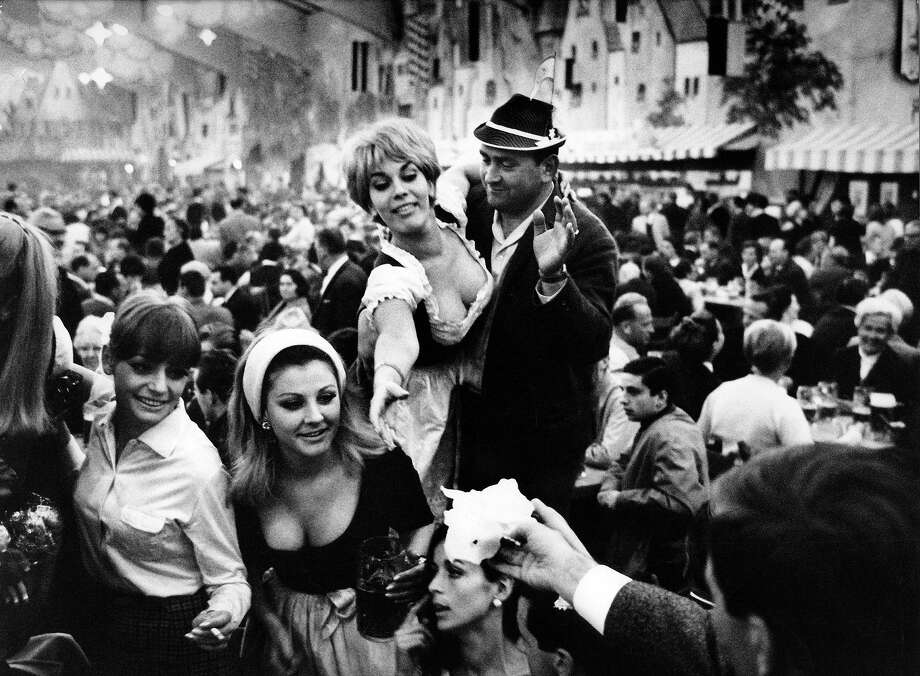
Image result for munich oktoberfest
This is my dream vacation right here.

Oktoberfest is the king when it comes to seasonal beers, and if you ask me (I’ll assume you are because you’re reading this post), it is a great barometer for whether or not you like real, traditional beer and not just the hops (not that there is anything wrong with the latter). True German Marzen/Oktoberfest should have everything classic beer lovers crave: a perfect harmony of smooth and toasty caramel malt, a crisp, snappy hop bite, and a modest alcohol level that allows you to fill up a stein and smash it against a friends again and again.

Image result for 1800s oktoberfest
It doesn’t appear like much has changed since the days of black of white.

Although many people have surely had Oktoberfest before, one thing I commonly encountered working at a beer shop was confusion about the labeling of different Oktoberfests. Traditionally, this style of beer was brewed in March (Marzen), and then stored over the summer. This was back before refrigeration, when brewing in hotter months could lead to spoilage and wasted time. Due to the old-fashioned kilning techniques, beer used to be much darker. Over time, the fest-style gradually lightened, from dunkels (early to mid 1800s), to amber and copper-colored Marzens (invented by Spaten in 1841), to the golden-colored festbiers introduced by Paulaner in the early 1970s.

Image result for munich oktoberfest breweries
These are the 6 official beers of Munich Oktoberfest.

So which ones am I drinking?

The short answer: anything German. There are 6 breweries that serve their beer at the Oktoberfest in Munich: Hacker-Pschorr, Spaten, Paulaner, Lowenbrau, Augustiner and Hofbrau. If you want to know what this style should truly taste like, any of them will do. I also like Warsteiner (a touch on the sweet side) Weihenstephaner, and Andechs (draft only) for other German offerings.

Image result for ayinger oktoberfest marzen

However, my personal favorite isn’t even on the list, and that’s Ayinger Oktober Fest-Marzen, which is probably my favorite beer in the world. It’s the perfect balance of everything I want in a beer. Flavorful, but crushable at the same time.

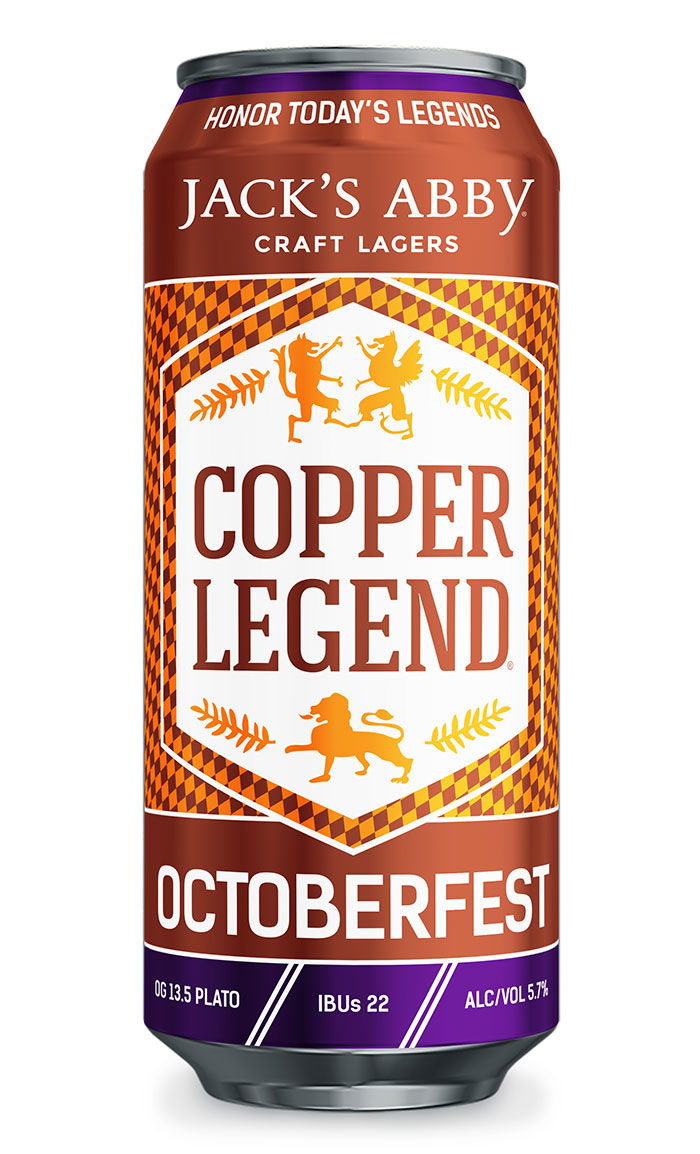
Image result for jack's abby copper legend
IMO, Copper Legend is the best of the style from Massachusetts.
Image result for ok2berfest
Two Roads (Connecticut) Ok2berfest makes a great, albeit lighter style, Marzen lager.

American Oktoberfest beers tend to be either on the sweeter side or with a little too much hop influence. There’s plenty of good ones, but like most things American they tend to be a little much. However, a few local New England brands I like are Jacks Abby Copper Legend, Zero Gravity and Two Roads.

Image result for sierra nevada oktoberfest 2019
This year, Sierra Nevada got together with Bitburger for their fall seasonal.
Image result for left hand oktoberfest
Left Hand Brewing out of Colorado makes a solid homage to traditional Marzens.

For outside New England, look to Sierra Nevada, who puts out a different Oktoberfest every year in which they collaborate with a German brewery. Left Hand, Victory and Firestone Walker also do a good job. I have yet to find anything truly impressive for the style down here in DC, which is part of the reason why I’ve waited until a little later in the fest-season to write this blog.

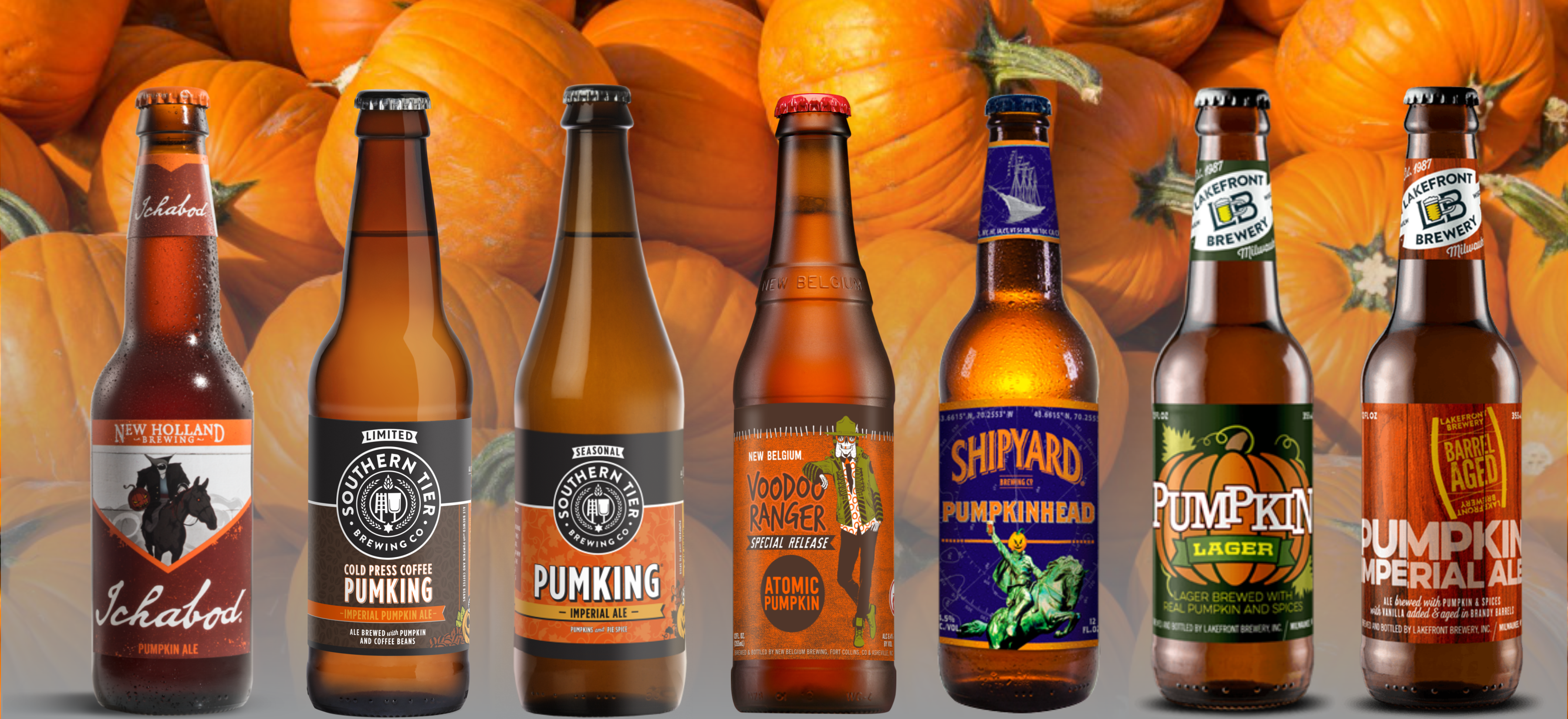
Image result for pumpkin beer

**A final word on pumpkin beer:

Pumpkins are harvested in September and October. Generally speaking, an average batch of beer from a microbrewery takes 4-8 weeks to brew from start to finish. That would mean even if you used pumpkins picked a couple weeks early, the earliest you could get a beer brewed with fresh pumpkins from this years harvest would be mid-September.

So how does a company like Shipyard have theirs ready to go by the end of July? They cut corners. They are using one or a combination of the following not-pumpkins: butternut squash, yams, artificial pumpkin flavoring, or a mixture of spices (nutmeg, vanilla, clove, etc) to mimic pumpkin pie. This irritates me. At the end of the day, I don’t want to hate on people for drinking what they like, but as someone who worked retail, I find label transparency is important when trying to sell products.

What’s Dom Drinking Now? Fall Edition

I can tell you what I’m not drinking. Pumpkin beer. I’ll leave that to all the basic bitches and whatever their male equivalent is. For me, fall is all about Oktoberfest and cocktails. I’ll write about my favorite Oktoberfest beers in a later post. Right now I’m drinking a classic cocktail with a seasonal twist.

Image result for cranberry cinnamon moscow mule

THE MASSHOLE MULE

As I’ve said in the past, I’m no mixologist, so this drink may very well be called something else. I came up with the name because I’m using ingredient made in Massachusetts, specifically Triple Eight Cranberry Vodka from Nantucket and a Mass-made hard cider, in this Moscow Mule spinoff. As many people know, a typical Moscow Mule is 3 parts ginger beer to one part vodka with a splash of lime juice and a lime wedge served in a copper mug. My recipe tinkers with that due to the addition of hard cider, but it’s not all that different in the end.

THE RECIPE

2oz dry cider
2oz ginger beer
1 1/2oz cranberry vodka
2 dashes of cinnamon
lime wedge

Pour vodka over ice into a copper mug. Add ginger beer and dry cider, then stir in cinnamon. Serve with a stirring rod and garnish with a lime wedge.

THE INGREDIENTS

Image result for triple eight cranberry vodka
Triple Eight is the distillery side of the Cisco Brewing operation, and they make great fruit-flavored vodkas.

As I mentioned before, I’m using Triple Eight Cranberry Vodka. For those not familiar with Triple Eight, they are the distillery side of the Cisco Brewing operation located on Nantucket. They make really delicious flavored vodkas that typically come in under $30 a bottle. I would absolutely recommend this over any name brand flavored product.

Image result for lookout farm original
Lookout Farm is located in Natick, MA and has recently started brewing beer.
Image result for bantam wunderkind
Bantam is located in Somerville, MA and uses a sparkling wine yeast for a beautifully dry, bubbly cider.

For cider, you can go with any dry cider, but a few I recommend from Massachusetts are Lookout Farm Farmhouse Original and Bantam Wunderkind. Downeast Original would work too, but it will be a little sweeter.

Old Favorite Ginger Beers
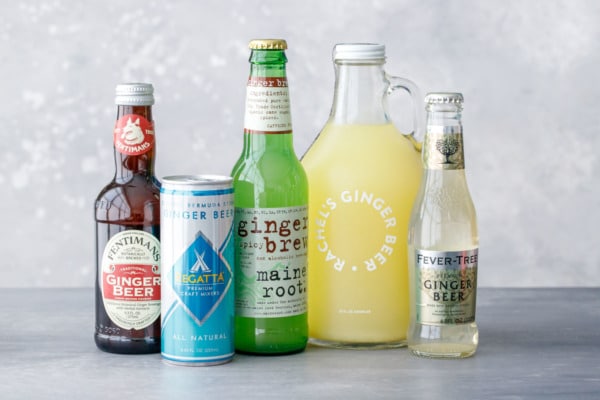
A good ginger beer can be the difference between a good cocktail and a great cocktail.

The last ingredient, the ginger beer, is the least important in my opinion. That being said, a high quality ginger beer can be the difference between a good drink and a great drink. I prefer Barritt’s to Gosling’s, and a spicier option, such as Maine Root or Fever Tree, to either of those.

That’s it for this edition of WDDN, I hope you enjoy the drink! Check back in next time to see which Oktoberfest beers top my list!

What’s Dom Drinking Now?

There’s been one brewery on my mind ever since I checked out their new taproom two weeks ago: Aslin Beer Company. Many people in the Boston area may not be familiar with these guys; I certainly wasn’t when I first moved to the DC area. Once I did move, I kept hearing the name Aslin again and again when trying to find the best brewery around.

Image result for aslin brewing logo
Aslin Beer Co. houses their original location in Herndon, VA. Recently they opened up a second, much larger facility in Alexandria, VA that will house the bulk of production one it’s fully functioning.

Lucky for me, they just opened up a new taproom 15 minutes away from my apartment not even a month ago, and I was quite impressed. They make NEIPA’s as good as anyone actually in New England, mouth-puckering sours that leave you making faces well into the fourth and fifth sips (a sign of a great sour in my opinion) and some downright killer stouts. When it comes to what grabs your attention in the beer world these days, those three boxes are all you really need to check to stand out.

Image result for aslin beers
Although the new location doesn’t have a ton of can stock, I do like their labels.

The top rated beers from Aslin are almost exclusively IPA’s and stouts, no surprise there. If you can get your hands on them, Single, Double and Triple Orange Starfish, Master of Oranges, Master of Karate and Mind the Hop are some of their highest rated beers on Untappd, but it seems like every IPA they make has above a 4 rating on the app. For stouts, they have a bunch of amazing styles featuring all sorts of flavor additives, while their line of sours beers does the same.

Image result for aslin beers

So what do I actually recommend? Here’s a quick run down:

Glamping Imperial Stout– Probably the best stout I’ve ever had. Made to mimic a s’more, this beer features marshmallows, graham crackers, chocolate, and the added bonus of…peanut butter! This is the first beer with peanut butter I had where I could really smell and taste the PB. Incredible. Oh yeah, it’s 15% alcohol and drinks like it’s less than half that, so watch out.
Pisghetti Western Stout– Another 15% imperial stout that doesn’t taste like it, this is conditioned on chocolate, hazelnuts, coffee, vanilla and cinnamon. I thought this had a touch too much cinnamon, which accentuated the heat from the alcohol just a bit more than I preferred. However, all the other flavors are delicious, and it’s still a great beer.
Master of Oranges DIPA– It’s pretty hard for me to be impressed by IPA’s these days. NEIPA’s can easily disguise off-flavors or a weak malt base by adding more dry-hops, more citrusy hops, more more more. On top of that, most people use the same four or five hops, so the difference from beer to beer is minute. That being said, this beer was fantastic, easily the best IPA I’ve had in DC. This beer is a combo of Double Orange Starfish and Master of Karate, and it blew me away.
El Frutero Sour Ale- A light, easy going sour at first taste, every sip seems to pack more flavor. Brewed with watermelon, lime, habanero peppers and salt, this beer is a perfect pairing for fish tacos. As a matter of fact, I would actually prefer this beer with food because the habaneros really punch you in the tongue.

Image result for aslin elder scrolls
I don’t play the games, but anyone who is a fan of Elder Scrolls will be excited to see Aslin came out with an entire line of beers to celebrate 25 years of Elder Scrolls games.

I really only have one beef with Aslin to this point, and it has nothing to do with the beer. The new spot is tinkering with the food menu, and we found out the hard way that it is overpriced. Much to our chagrin, the $8 deviled eggs we ordered was actually one egg, cut in half, with a sliver of jalapeno and a fried oyster on top. Considering all over Boston you can find $1 oysters and I can go to the grocery store and buy an 18-pack of Nellie’s Free Range Eggs for $5.69, that price is a rip off. I was assured they would be changing that, so I now have nothing more to complain about.

Although they don’t make it up to Boston, I highly recommend anyone traveling down to DC or Virginia stop by their locations and drink up. You won’t be disappointed.

What’s Dom Drinking Now? Wine, for a Change!

Time to mix it up! I’ve come at you with beer from the place that pays my bills and three different cocktails. Now it’s time to break into a category that many my age don’t know much about, but often enjoy when presented with quality bottles: WINE. When I first started in the alcohol industry 8 years ago, I knew very little about wine. Basically just these four things:

  1. There are two types: red and white
  2. Bad wine is what my parents drink
  3. I’m not bougie enough to drink good wine
  4. SLAP THE BAG!
Image result for south parkwine meme

Working in a small wine shop that only had 5 customers a shift and next to no stocking or other tasks to do, I started reading about it. I was enthralled; learning about wine enables you to learn all about different cultures, eating traditions and flavors, climate, geography, and so much more. As I took all this in I realized that when it comes to wine, the more you know, the less you know.

This can be exciting, but it can also be overwhelming and intimidating, especially when you’re not getting paid to know about the stuff. This is the mindset a lot of drinkers have when it comes to wine. They like some things they’ve had, hated others, and are not adventurous or wealthy enough to just take random stabs at bottles on the shelf and hope they work out. I wrote about this previously in one of my etiquette blogs, but this is why finding a retailer you can trust is a wonderful thing.

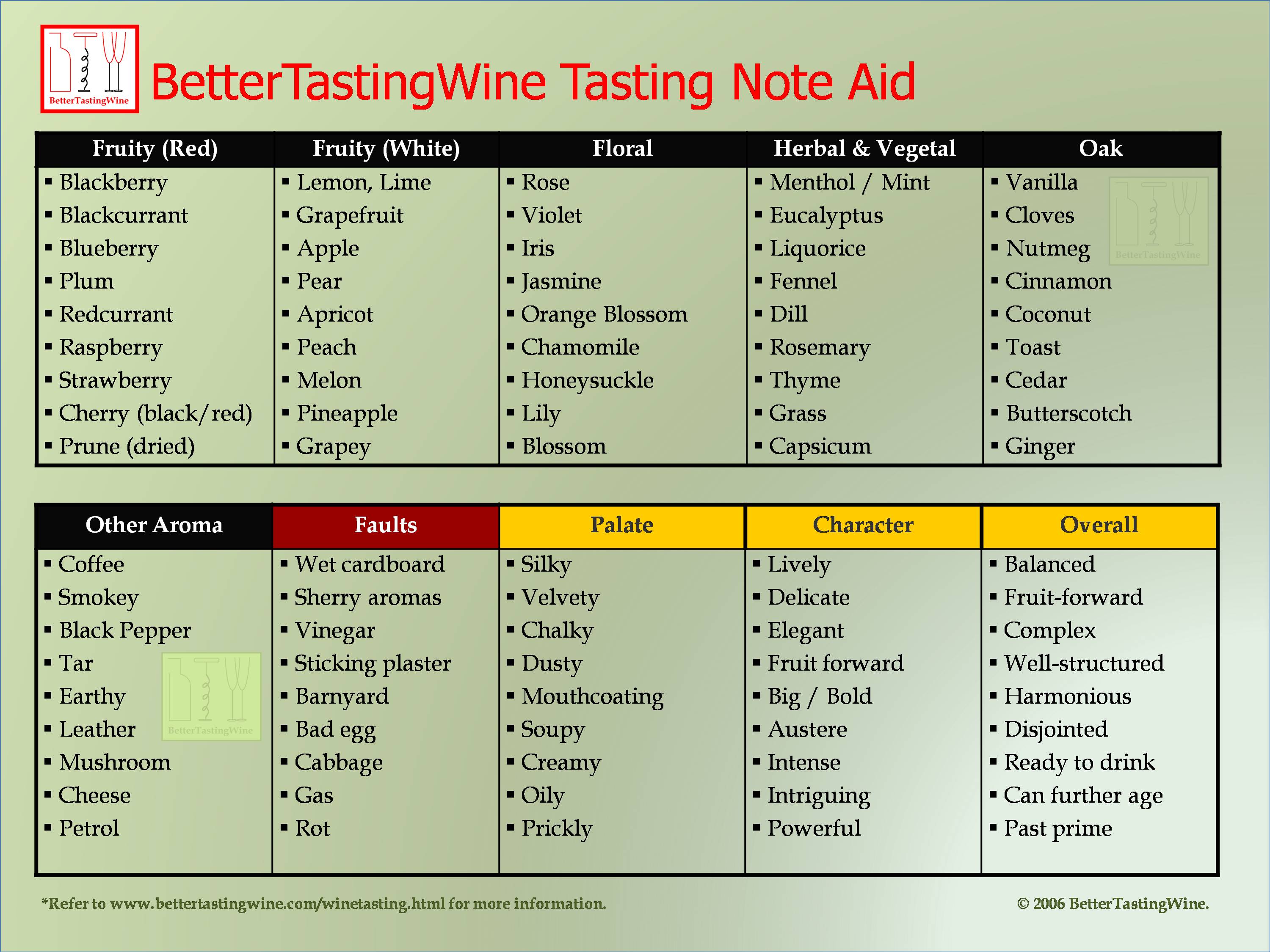
Here‘s an easy-to-understand wine tasting notepad to help you better describe what you’re tasting.

For starters, the above notepad offers some easy-to-use, common flavors to help you describe what you may or may not be tasting. The better you get at picking out flavors, the easier it will be to describe what you like. In addition to these, it’s also important to understand that dry and sweet have very specific meanings relating to the amount of fermentable sugar (referred to as residual sugar, or RS) still left in a bottle once fermentation is over. These terms are used incorrectly more than any other terms in the business, so it’s important to understand what they mean.

RS is completely up to the winemaker, which is why many grapes, such as Riesling, have both dry and sweet examples. To drive this point home, look no further than Sauvignon Blanc, a grape known for some of the greatest examples of white wine across the globe. On the dry side, you have Sancerre, as well as many other bottles from the Loire Valley in France. For sweeter offerings, you can find dessert wines made from Sauv Blanc the world over, most notably from Sauternes. Your perception can also be altered by things like acidity and tannin, which vary drastically across different grapes.

Below are two scales that will help you identify where certain wines fall on the dry-sweet spectrum, although you’ll probably have to zoom in to read the names of the grapes.

Red wine sweetness chart by Wine Folly
Wine Folly is an excellent resource when it comes to wine, offering everything from beginner guides like this to more advanced stuff like determining residual sugar.
White wine sweetness chart by Wine Folly

Now that we’ve covered some of the basics, I can tell you what I’m drinking: red wine from Italy! Specifically, I’m drinking Scala Ciro, which is made from the grape Gaglioppo. Never heard of it? Don’t feel bad, there are hundreds of indigenous grapes in Italy, and there’s no reason for the average person to know the vast majority of them. However, a lot of them are hidden gems, like this one.

I picked this bottle because I’m having ziti with meatballs for dinner. When picking out a bottle of wine to go with dinner, a good place to start is matching a regional wine with the cuisine of said region. In this case, I’m drinking Italian wine with an Italian meal. Next up, you’ll want to pick flavors that contrast and compliment the dishes being served. I chose this wine because the drying factor of the tannins contrasts the sweetness of the tomato sauce, while the spiciness of the wine compliments the herbal flavors in the sauce. It’s for this reason that chocolate and red wine don’t go together. Both have bitter tannins in them, so when consumed together they just taste overly bitter, even sour.

When pairing with pasta, it also helps to think simply: red wine with red sauce, white wine with white sauce. From there, you can get a little more nuanced with help from your local wine shop employees. This is a good place for aspiring winos to start. If you’d like more wine-related content, feel free to comment!